Training
Professional Credentials
A timeline of the qualifications, certifications and hands-on training that shape how I assess and treat today.
2008
Mulligan's Mobilisation Concepts
Taught by Deepak Kumar, former accredited Mulligan teacher
The Mulligan Concept is a hands-on approach that combines a therapist-applied joint glide with the patient's own active movement — known as Mobilisation With Movement. Done well, it restores pain-free range of motion almost immediately, and it remains one of the techniques I use most often for stiff, painful necks, shoulders, knees and ankles.
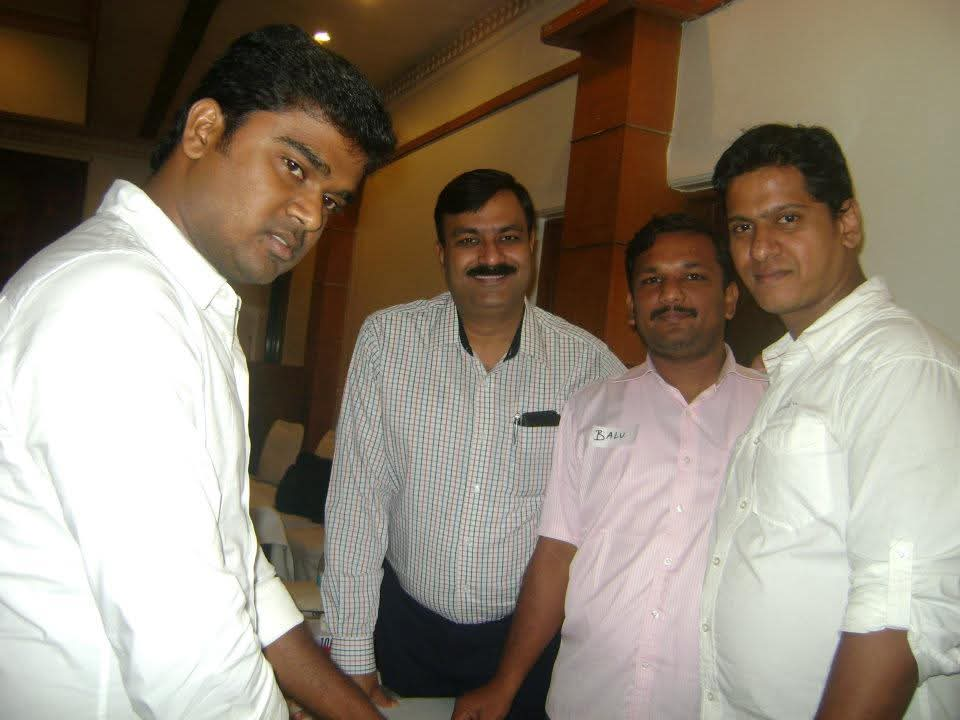
Bala with course tutors at the 2008 Mulligan Concept training 2010
Pelvic Cradle Dysfunction
Taught by Richard Jackson, PT, OCS (USA)
This course focused on the pelvis as the body's central 'cradle' — the sacroiliac joints, pubic symphysis and surrounding muscles that transfer load between the spine and the legs. Richard Jackson's approach teaches precise assessment of pelvic alignment and movement faults, then correcting them with manual techniques and targeted muscle retraining. It's often the missing piece behind stubborn low back pain, groin pain and hip discomfort that hasn't responded to treatment aimed only at the painful area.
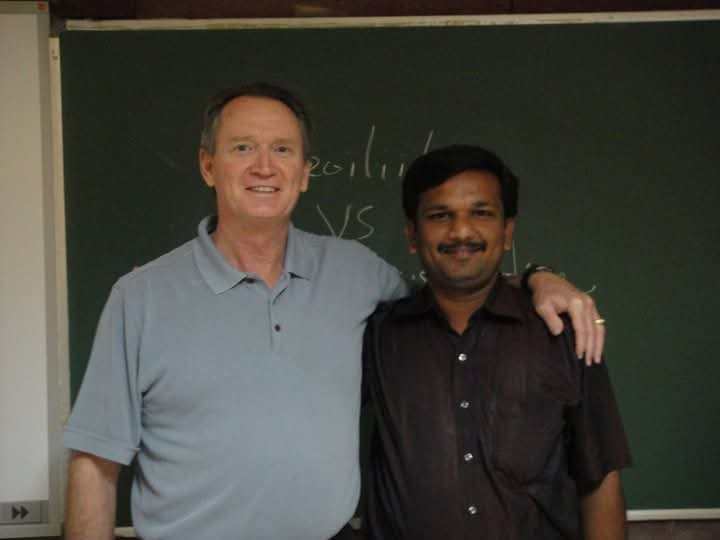
Bala with tutor Richard Jackson, PT, OCS, at the 2010 Pelvic Cradle Dysfunction course 2013
Myofascial Dry Needling — Club Physio, South Africa
Taught by Claire Waumsley, co-tutored by Craig Smith
Myofascial dry needling uses a very fine sterile needle to release trigger points — the tight, irritable knots within a muscle that refer pain elsewhere and keep an area guarded. The Club Physio (South Africa) programme combined detailed anatomy and safety training with clinical reasoning: how to find the trigger point that is actually driving the symptoms, needle it accurately, then follow up with movement and loading so the release lasts. It's a valuable addition to hands-on treatment for persistent muscular pain, headaches of neck origin and stubborn shoulder or hip tightness.
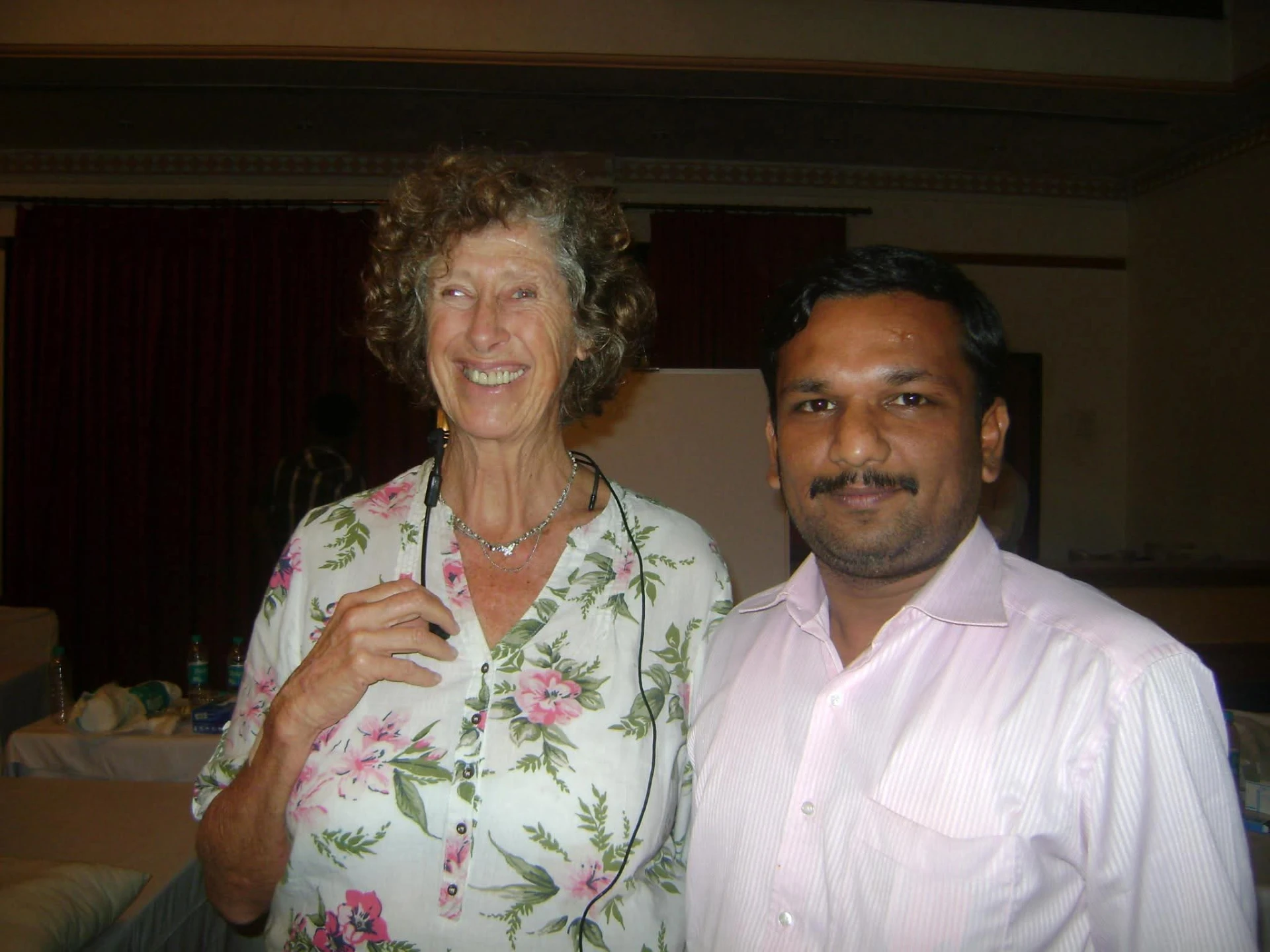
Bala with tutor Claire Waumsley at the 2013 Myofascial Dry Needling course 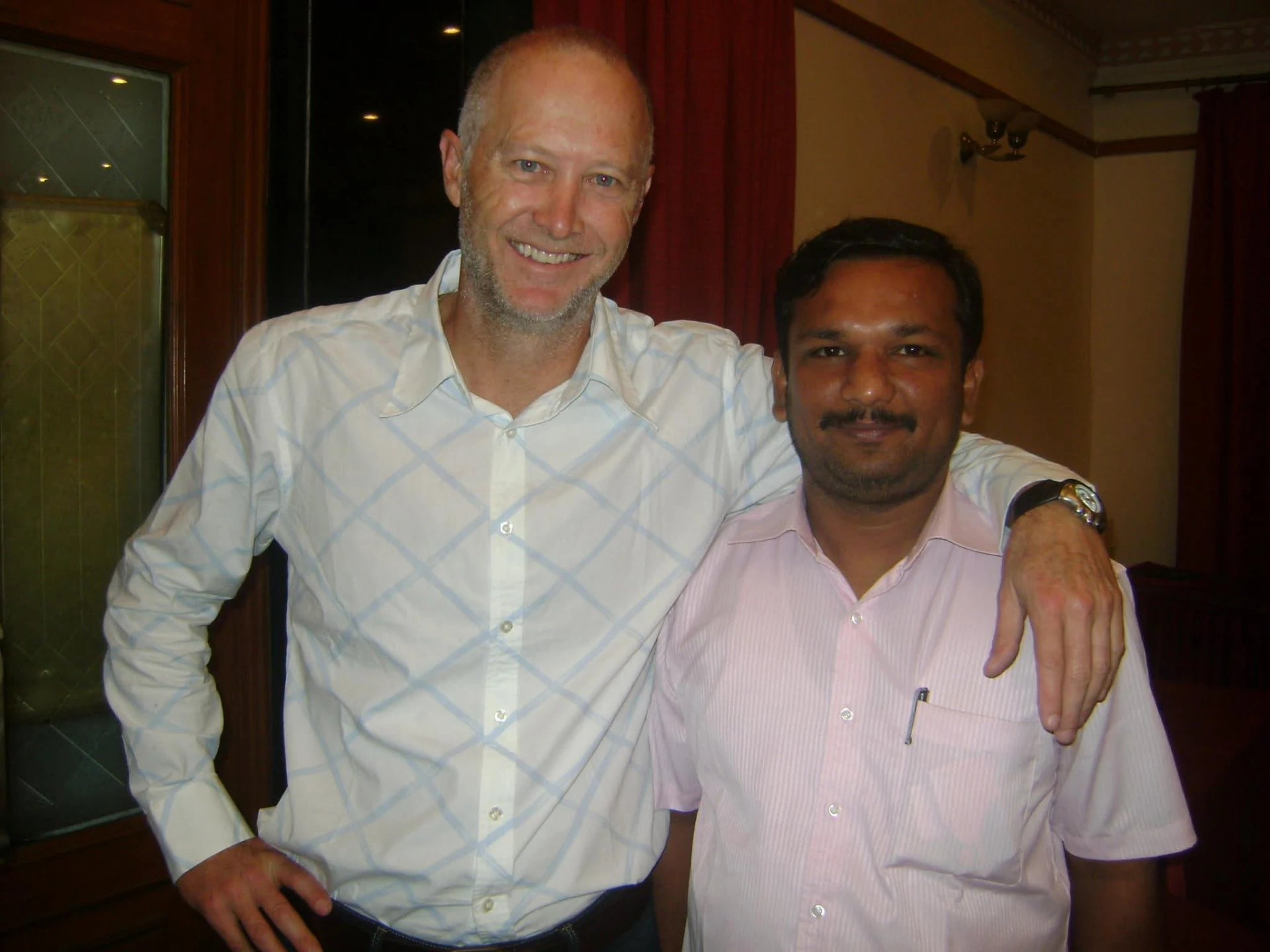
Bala with co-tutor Craig Smith at the 2013 Myofascial Dry Needling course January 2018
Certificate in Orthopaedic Manual Therapy (COMT) — Part 1
Manual Concepts, taught by Toby Hall · January 2018
COMT is an internationally recognised post-graduate programme in orthopaedic manual therapy — a structured, evidence-led framework for examining the spine and peripheral joints, reasoning through what is actually driving a patient's symptoms, and then treating it with precise manual techniques and progressive exercise. It is delivered by Manual Concepts, a Western Australia based post-graduate education group founded by leading clinicians and known worldwide for teaching clinical reasoning alongside hands-on skill. Part 1 covered detailed assessment and treatment of the cervical, thoracic and lumbar spine, including differentiating headaches and nerve-related pain from joint and muscle sources. The course was taught by Toby Hall, PhD, MSc, Post Grad Dip Manip Ther — a Specialist Musculoskeletal Physiotherapist and Fellow of the Australian College of Physiotherapists (awarded 2007), Adjunct Associate Professor at Curtin University, an Accredited Mulligan Concept Teacher, and the founder of Manual Concepts in Western Australia.
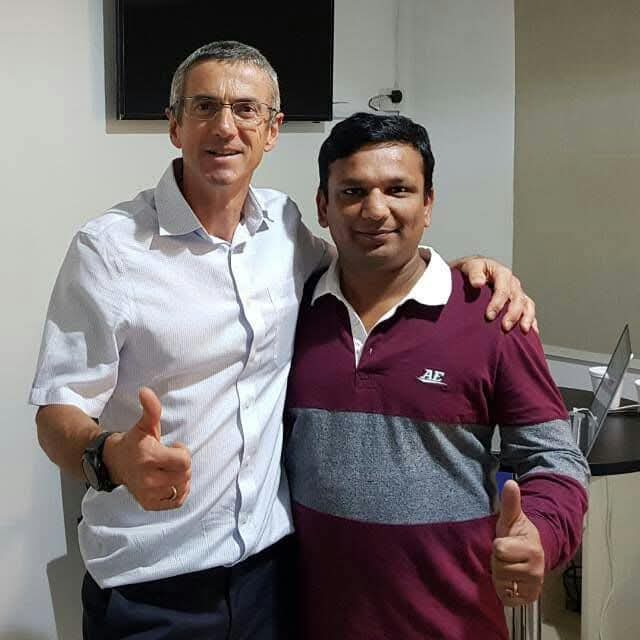
Bala with tutor Toby Hall at the January 2018 Certificate in Orthopaedic Manual Therapy course 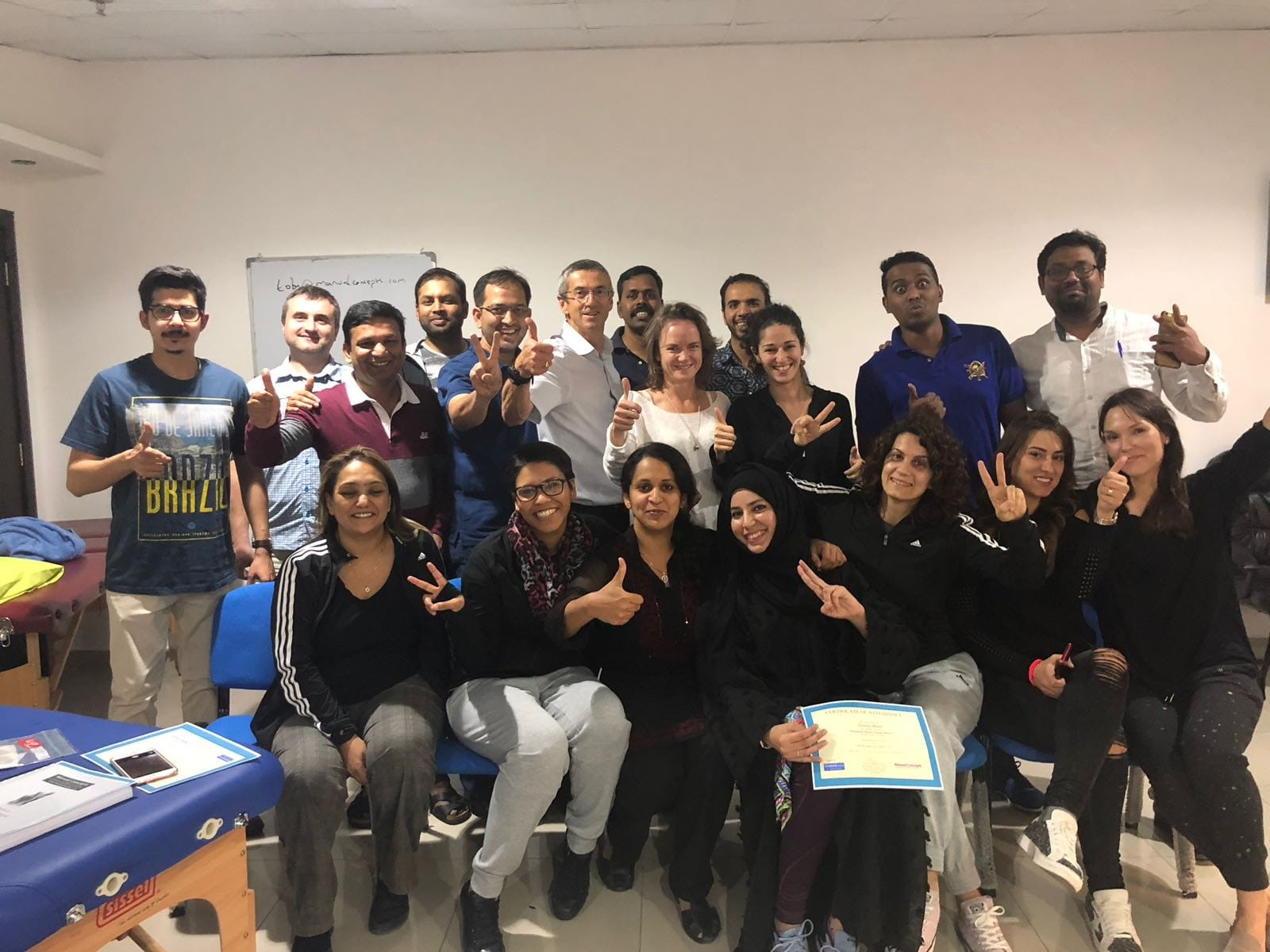
Bala with the January 2018 COMT Part 1 course group and tutors at Manual Concepts February 2018
Certificate in Orthopaedic Manual Therapy (COMT) — Part 2
Manual Concepts, taught by Kim Robinson · February 2018
Part 2 of the Manual Concepts COMT programme built directly on the January module, moving the focus onto the peripheral joints — shoulder, elbow, wrist and hand, hip, knee, foot and ankle — and on integrating spinal and peripheral findings into one coherent picture of a patient's problem. Manual Concepts is the Western Australia based post-graduate education group behind the certificate, respected internationally for pairing rigorous clinical reasoning with refined hands-on technique. This module was taught by Kim Robinson, BSc, Grad Dip Manip Ther (Distinctions) — a Specialist Musculoskeletal Physiotherapist and Fellow of the Australian College of Physiotherapists (awarded 2009), Adjunct Senior Teaching Fellow at Curtin University, an Accredited Mulligan Concept Teacher, and co-founder of Manual Concepts in Western Australia. His teaching sharpened how I test, re-test and progress treatment so every technique earns its place in a patient's plan.
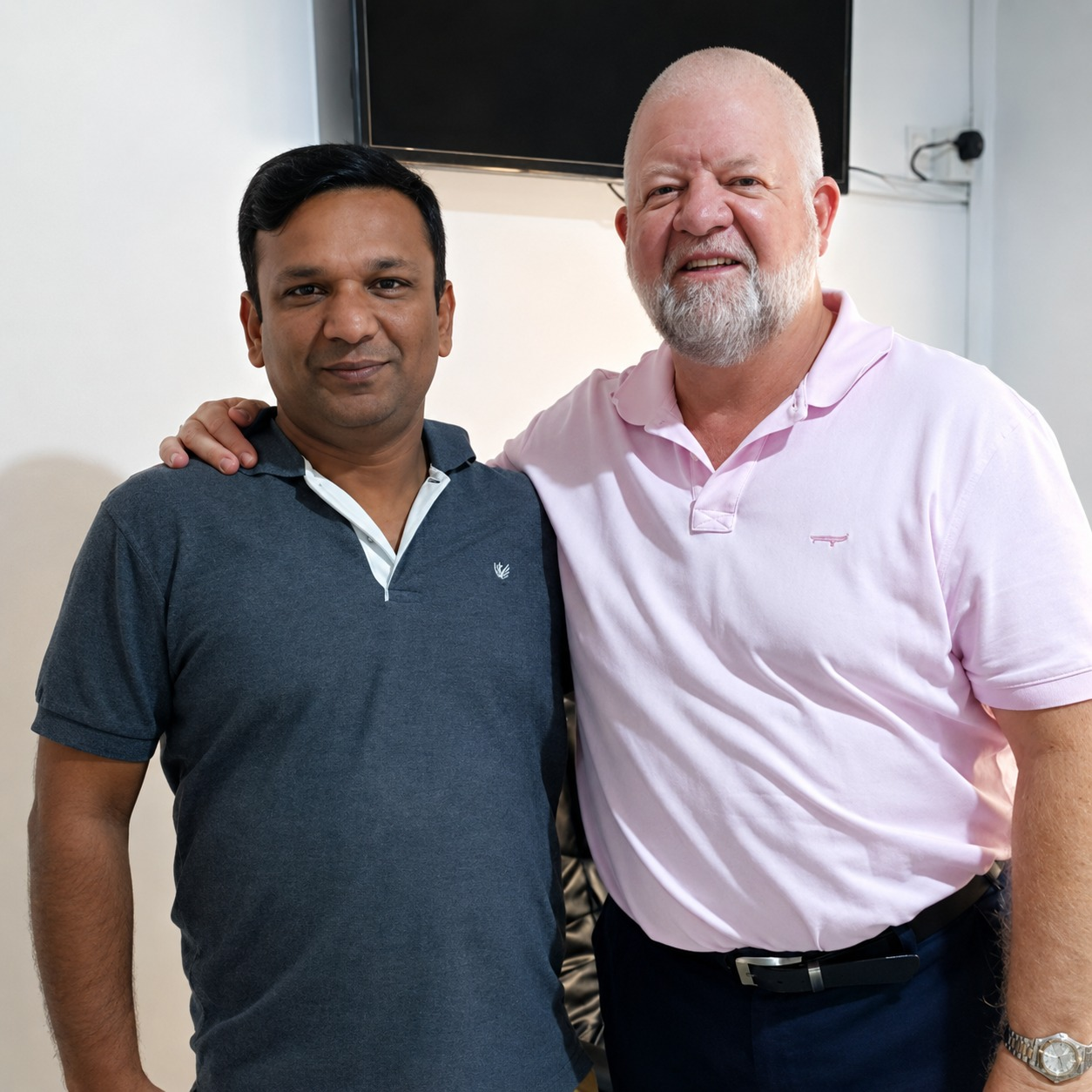
Bala with tutor Kim Robinson at the February 2018 COMT Part 2 course 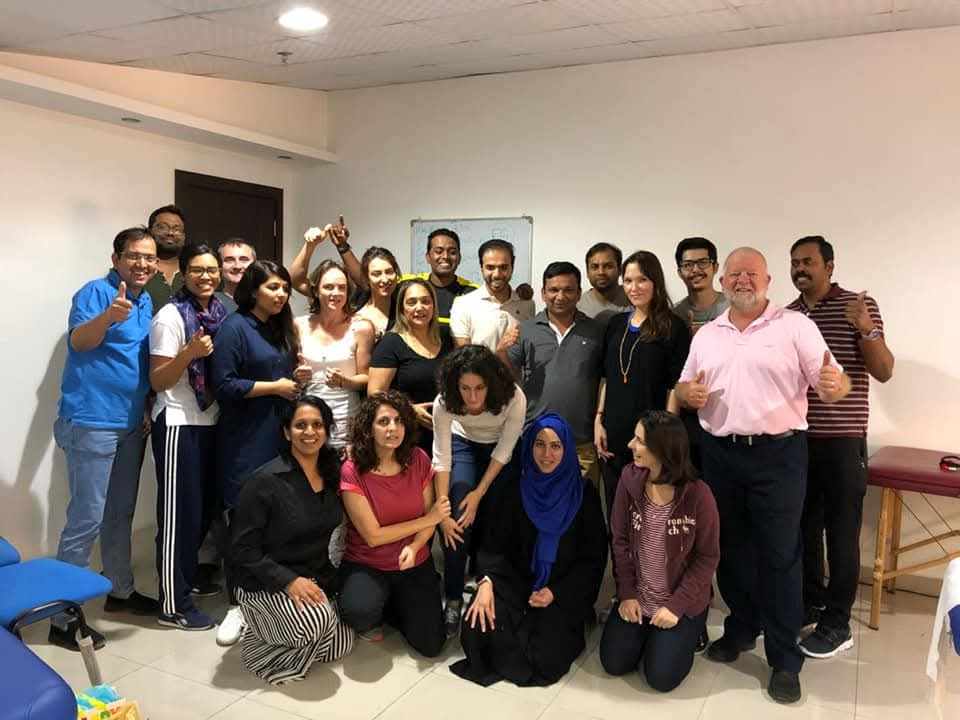
Bala with the February 2018 COMT Part 2 course group and tutors at Manual Concepts March 2018
Certificate in Orthopaedic Manual Therapy (COMT) — Part 3
Manual Concepts, taught by Vaidas Stalioraitis · March 2018
Part 3 completed the Manual Concepts COMT pathway, drawing the spinal and peripheral work of the earlier modules together into advanced clinical reasoning: managing complex and persistent presentations, refining manipulative and mobilisation technique, and progressing rehabilitation so patients hold their gains long after treatment ends. Manual Concepts, the Western Australia based post-graduate education group behind the certificate, is known internationally for teaching reasoning and hands-on skill side by side. This module was taught by Vaidas Stalioraitis — FACP, Fellow of the Australian College of Physiotherapists (awarded by the Australian College of Physiotherapists in 2016), MSc (Curtin University), Graduate Entry Master of Physiotherapy (Curtin University), Master of Clinical Manipulative Physiotherapy (Curtin University), an Accredited Mulligan Concept Teacher, a Specialist Musculoskeletal Physiotherapist, and a Director of Manual Concepts in Western Australia.
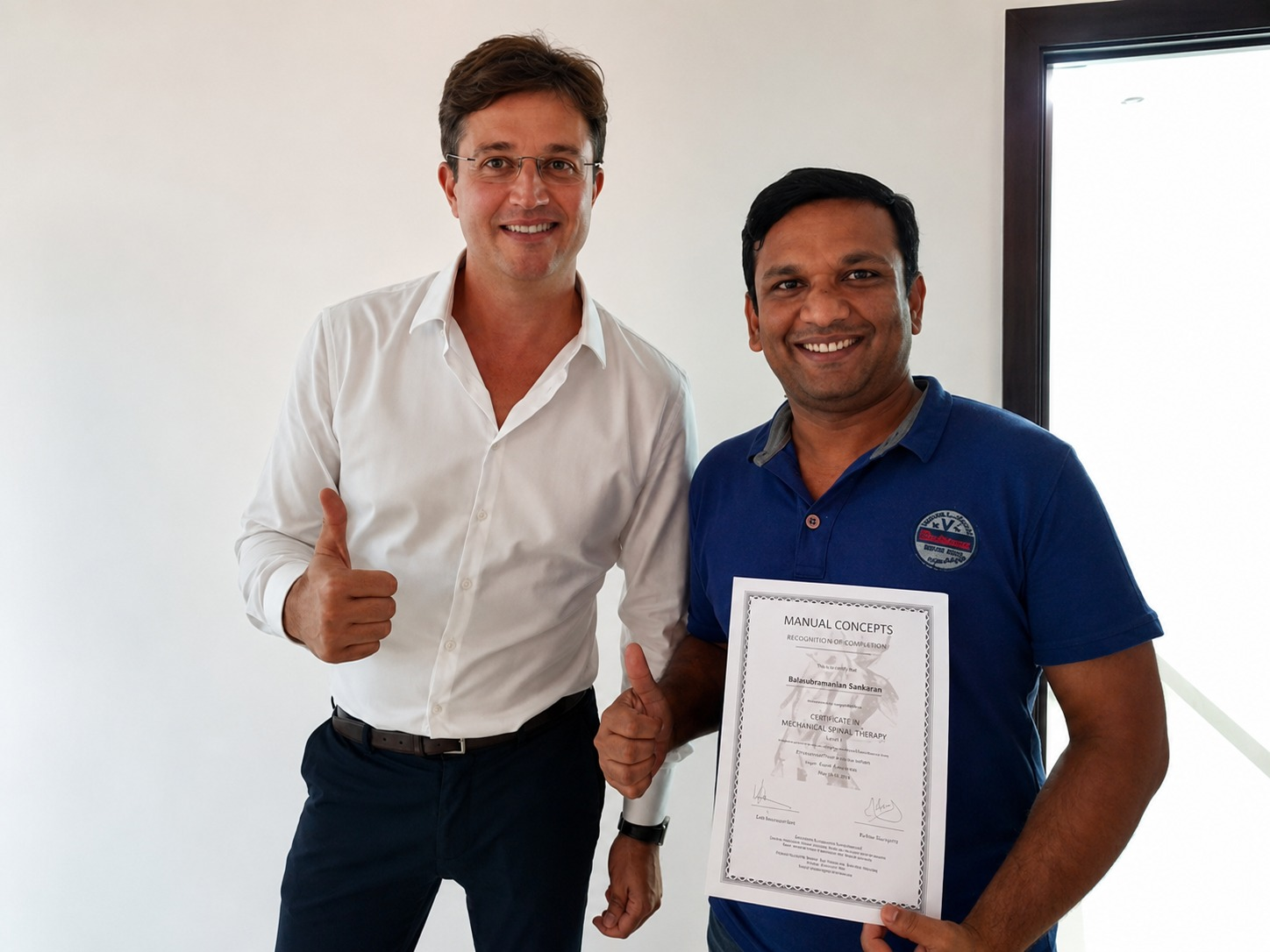
Bala receiving his certificate from tutor Vaidas Stalioraitis at the March 2018 COMT Part 3 course 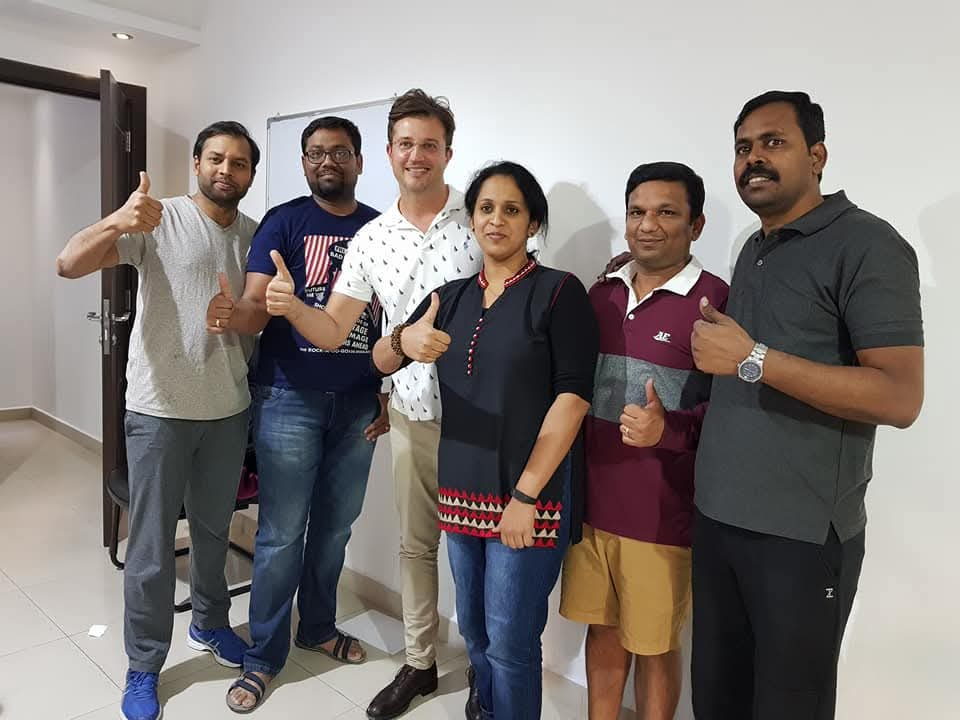
Bala with the March 2018 COMT Part 3 course group and tutor at Manual Concepts March 2018
Certificate in Orthopaedic Manual Therapy (COMT) — Part 4
Manual Concepts, taught by Mike Stewart · March 2018
The final part of the COMT pathway stepped away from technique and into what is often the deciding factor in recovery: pain itself. Taught by Mike Stewart, this module explored persistent pain and pain mechanisms — why pain can continue long after tissues have healed, how the nervous system becomes sensitised, and how the way pain is explained to a patient can either fuel fear or unlock progress. Mike Stewart holds an MSc in Education and Physiotherapy, and his published work on pain education has received international praise from leading names in neuroscience. What I took from this module shapes every consultation: pain is real, it is explainable, and understanding it is one of the most powerful treatments available.
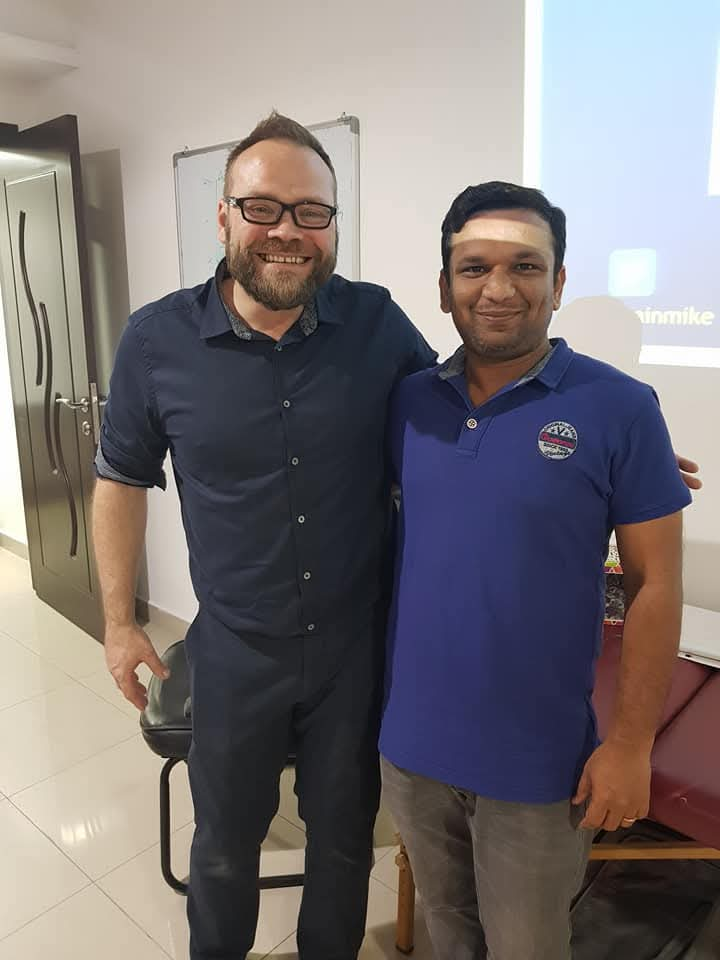
Bala with tutor Mike Stewart at the March 2018 COMT Part 4 persistent pain module 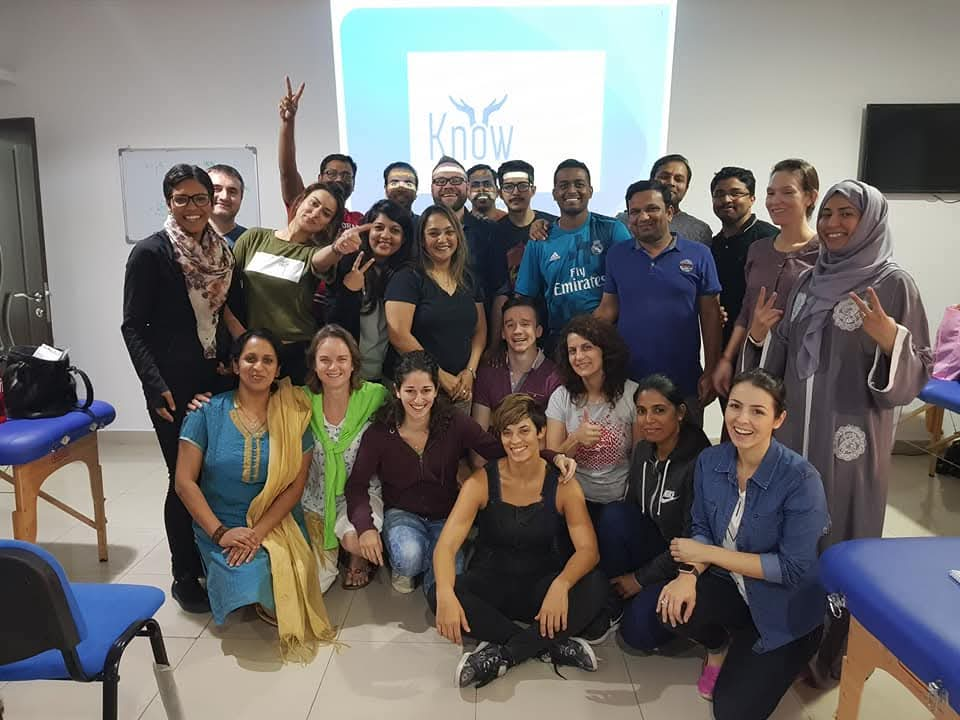
Bala with the March 2018 COMT Part 4 course group and tutor 2018
Ergon IASTM Level 1 — Greece
Taught by Konstantinos Fousekis
Ergon IASTM (Instrument Assisted Soft Tissue Mobilisation) is a modern manual therapy technique in which specially designed stainless-steel instruments are used to detect and treat soft-tissue restrictions — fascial adhesions, scar tissue and chronic muscle tightness that hands alone can struggle to release. The Ergon method, developed in Greece, pairs the mechanical work of the instrument with active patient movement, so tissue is remodelled while the patient moves through a functional range, rather than passively. Taught by Konstantinos Fousekis, the Level 1 course covered instrument handling, the assessment of tissue quality and restriction, treatment of tendinopathies, ligament and muscle strains, and the management of post-surgical scarring. It's a practical addition to the toolkit for stubborn tendinopathies, chronic tightness and restricted movement that has plateaued with conventional manual therapy.
2019
Fascial Manipulation Level 1 (Stecco Method) — Italy
Taught by Kobi Weiss, accredited Fascial Manipulation teacher
Fascial Manipulation is an Italian manual therapy method developed by Luigi Stecco, built on the idea that fascia — the continuous connective-tissue network wrapping every muscle, joint and organ — can become densified and start pulling movement out of line, often producing pain some distance from the real problem. Rather than treating only where it hurts, the method maps the body into myofascial sequences and specific points, then uses deep, friction-based manual work on the densified points to restore glide within the tissue. Level 1, taught in Italy by accredited teacher Kobi Weiss, covered the anatomy and biomechanics of the fascial system, movement and palpation assessment, and the treatment of the trunk and limbs. It is one of the most useful frameworks I have for recurring pain that keeps returning to the same spot despite local treatment.
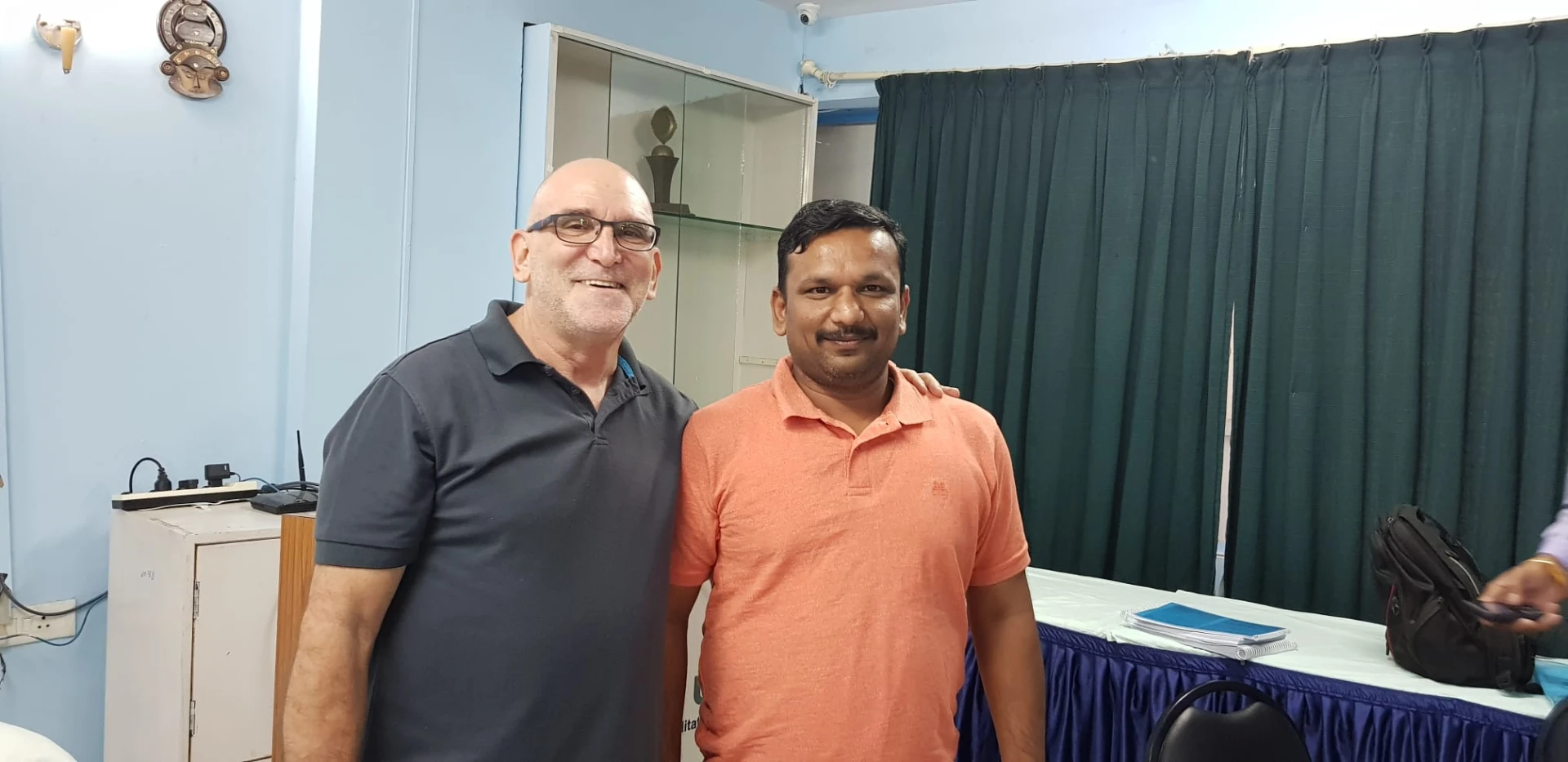
Bala with tutor Kobi Weiss at the 2019 Fascial Manipulation Level 1 course 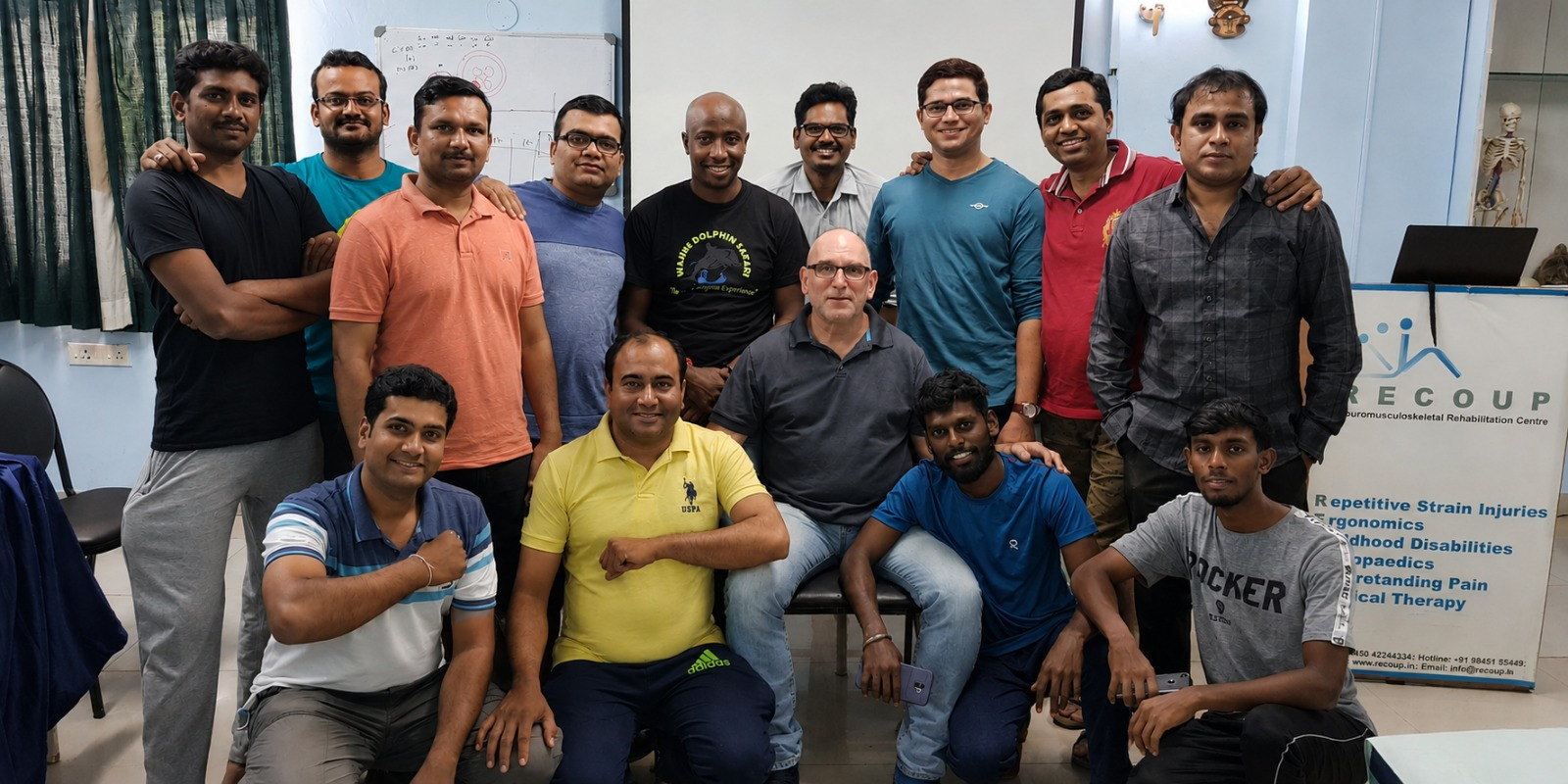
Bala with the 2019 Fascial Manipulation Level 1 course group and tutor